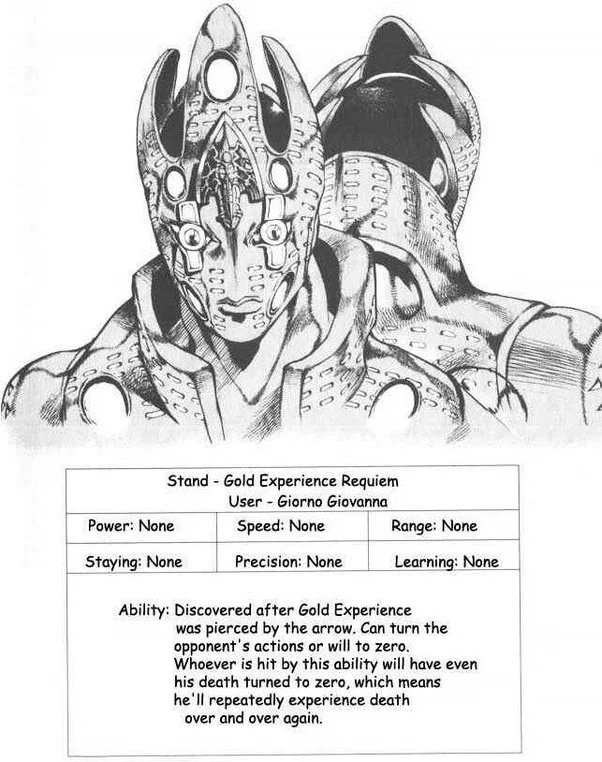
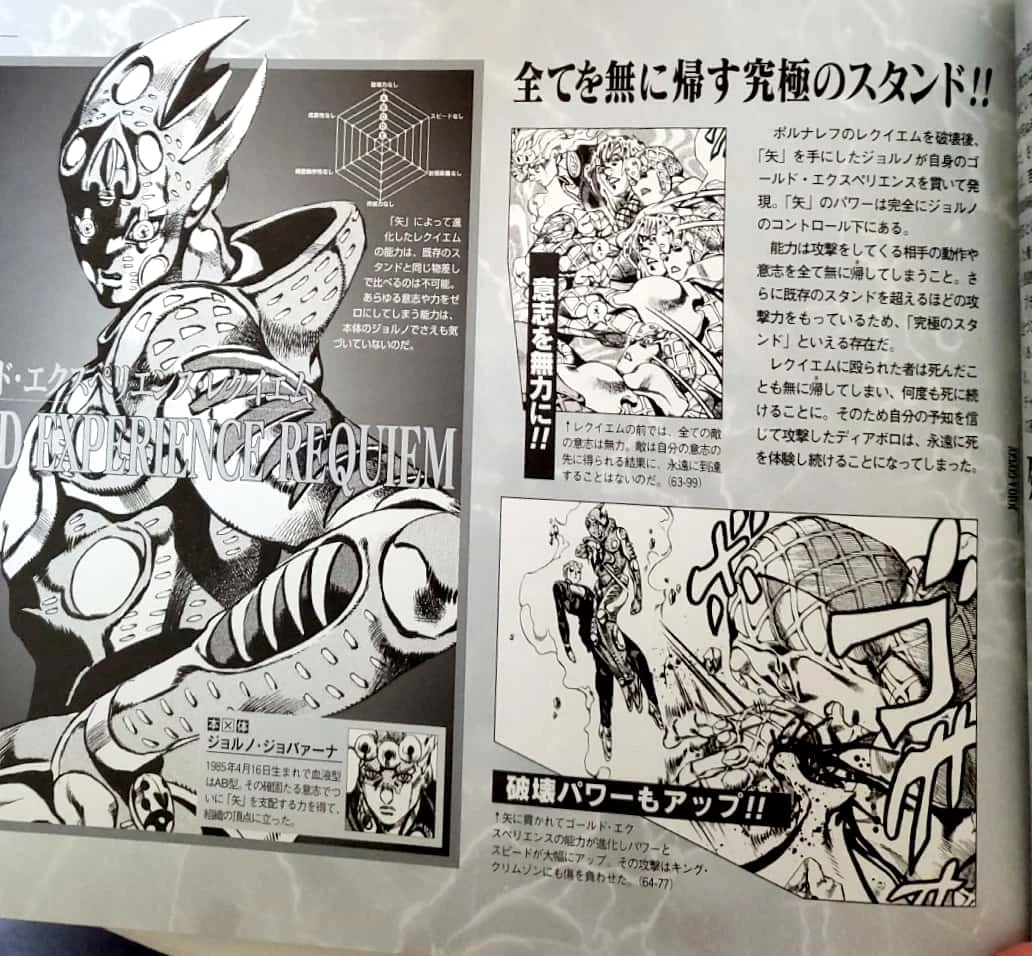
Okay, if you want to argue semantics, that's fine for me as well.
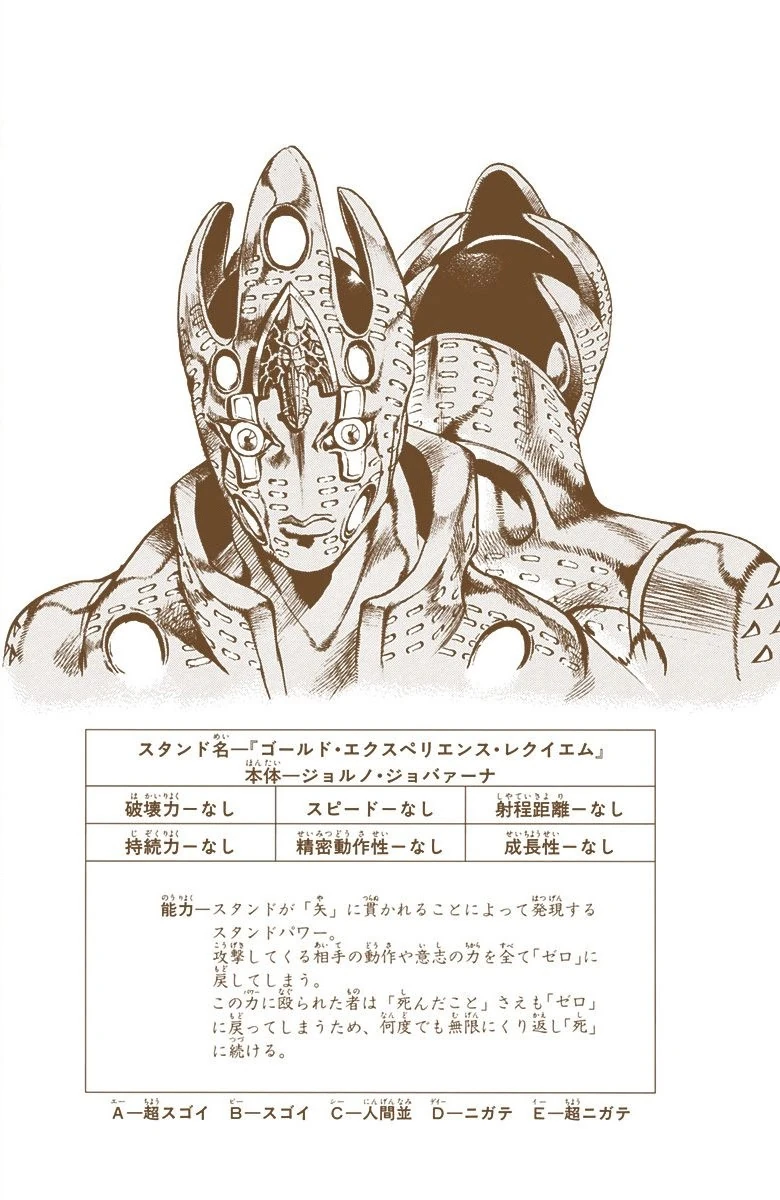
This is the page in Japanese. Now, using
Romajidesu I found out that the word used to connect "actions" and "wills" is Òéä (you can see it between those two big kanjis in the third line).
Checking online,
everything that I found describes it as a word that "links nouns in an incomplete list" or "implies that there are other items that are not listed after mentioning two nouns". It is used for lists to indicate something like "and things like" according to the last link.
Seeing this, I don't see why GER needs to RtZ both actions and will at the same time. The conjunction is used mostly for lists due to its vague (but still somehow formal) nature, not really to indicate that there are these two distinct things, but more to indicate, well, "things like that". In reference of GER's statement, it could honestly mean both that they all happen at the same time or that only some of the stuff mentioned happens at a specific time, looking at some of the examples.
"Õ¢╝ÒéëÒü»Õ©îµ£øÒéäµà░ÒéüÒü½ÒüñÒüäÒüªÞ¬×ÒüúÒüƒÒÇé" ("They talked of hope and comfort.")
"ÞíÇÒéäÞ¼ÄÒü«õ©¡Òü½Þ║½ÒéÆþ¢«ÒüäÒüƒþÁîÚ¿ôÒü¬ÒéôÒüªÒü¬ÒüäÒéôÒüºÒüÖÒÇé" ("I've never been surrounded by blood or mystery.")
So, yes, both translations are correct, and context is needed to understand. Since Diavolo wasn't affected by will hax, then the second meaning must be the correct one.