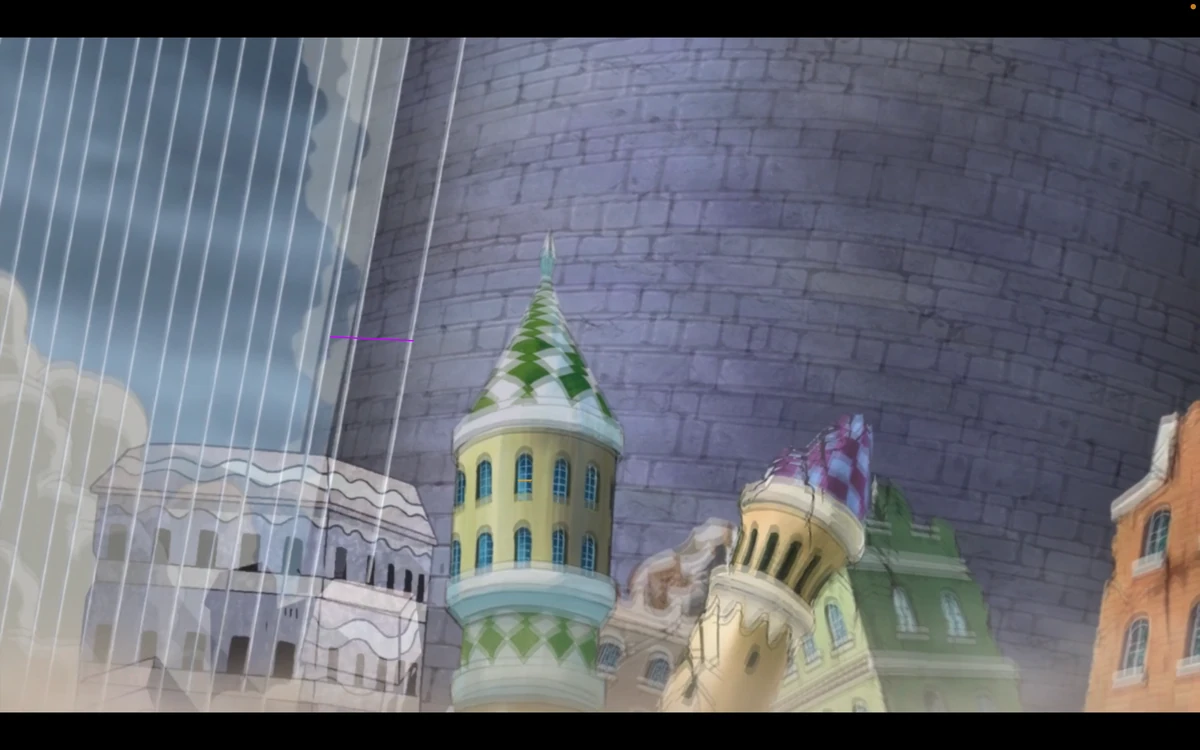
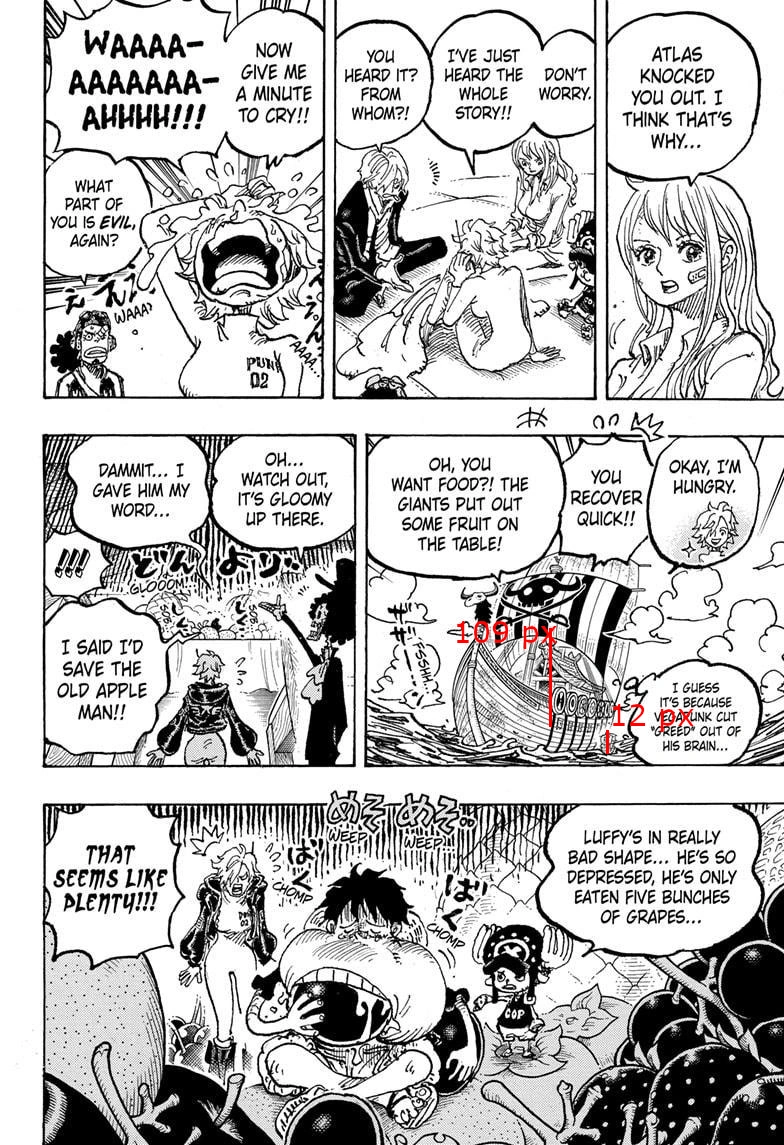
One of the main supporting arguments for Blue being much, much bigger than Earth is distance to horizon.
Results based on it are actually very close to current used size. In absense of other reliable methods for calculating size, this calc could probably cement status of Blue as being Sun-sized.
Could, if not for atmospheric
refraction. Calculator that was used in calc calculates true
horizon, not apparent horizon(which is influenced by this refraction).
So, what problems does it pose to this method?
1. Density at surface is greater than density at higher altitudes, which results in greater apparent
horizon (
usually by 8% for
Earth). Correcting for this is pretty
easy, it would just lower calced radius of Blue to around 690,000 km. Doesn't sounds too bad, isn't?
2. Noticed now I accentuated on "usually". Temperature and density gradients can vary considerably by time and location, which can result in apparent horizon being much further
away(potentially up to
750 km under best conditions).
3. Noticed how I accentuated on "Earth". Exact value of atmospheric refraction depends on density
profile of atmosphere (and associated with it temperature and pressure profile). We can't possibly know exact data for Blue, but we can speculate. We can be fairly sure that atmosphere of Blue is much
bigger and thicker than Earth. And apparently, if we use current maps that are used for calculating size of the planet, atmosphere of the Blue can support airdrops at 114,000 km height. Indicating that
Armstrong limit(which is defined by pressure) is massively higher than Earth one(19 km). What it does means?:
Thicker atmosphere means higher atmospheric refraction, and bigger apparent horizon. For example, Venus has true horizon of 3.5 km and would have been in pocession of apparent horizon much greater than
16 km(this link leads to pdf file), if not for funny atmospheric and temperature
phenomena. But if we could see such a long horizon, and used it as method for calculating radius for Venus, we would get
128,000 km (compared to actual 6051 km for Venus), nuff said.
In short, this method would face two most important problems:
1. Size of apparent horizon(only thing we can see and directly measure) is greatly dependent on specific atmospheric phenomena, local temperature and density gradients, which can vary dramatically by time and location.
2. Using this method would greatly inflate size of planets with thicker atmosphere.
In conclusion, we shouldn't try to calculate Blue size via horizon measurements