
- 1,252
- 429
Bump
Follow along with the video below to see how to install our site as a web app on your home screen.
Note: This feature may not be available in some browsers.

The source, page 8, says float glass. Architectural glass, not tempered.To be clear, is this single-glazed? Tempered?


I think he means "worst of both worlds", here.The problem here is that it basically tries to use a proper approach and then in the middle turns around and throws our hugely oversimplified stuff in the mix. I think the result essentially is a best of both worlds scenario, where the pressure is taken from one approach but then applied to a way too huge volume for that.
So, not really sure about that approach.


Since the main fracture is always quite big.Technically the bigger the main fracture happens, the weaker the attack is. So, regular glass breaking feats would mostly be in the very low ranges of 9-C, since most of them haven't gone above 1000 joules.
Edit.Since the main fracture is always quite big.
Edit?Edit.
The consistent issue with glass feats is that any values and methods we've used up to this point have returned strictly absurd values, predictably because our hazy guesswork system of pseudo-science ignores a lot of the minutiae in any given physical feat. We have an imperfect system that creates progressively more ridiculous results. In very high tiers, this isn't really noticeable in many instances- but down at the bottom, where 10-C feats return 9-C to 9-B results because the distance between tiers is very very small, it becomes an issue.
Take a look at those example calculations. Literally anyone can break a window. I've done it. Practically anything can. Weapons are only necessary for most instances because the alternative is cutting the hell out of your hand.
Because it's such a human level thing to do, why would directors and producers shy away from doing it? So we will have an endless sea of objectively human level characters producing feats our wiki seems content to describe as Wall level. Superhuman! For shattering glass! It's not hard to imagine, that second feat is missing the mark by only about 3%.
Humans can break glass windows. This seems so fundamentally known that it is actually hard to find much evidence on the subject (perhaps also because of the danger implicit in actually doing it). Destroying a window shouldn't be considered a 9-C feat, whatever our botched system of mathematics dictates.
As an individual who has broken a glass window on accident before from being shoved. Yes, humans in general have been able to break glass on numerous occasion. However, not all irl glass breaking feats can be considered to be 9-C. Let's look at the image below:I agree with Bambu on this, although I admit I cannot judge if the above method is even sound to begin with.
I've actually broken a window with my bare hand, cut my hand doing so in fact, when I was still in elementary school. I see this on the same level as falling from normal height. Are system isn't 100% accurate and the more precise/lower we try to get, the more obvious that imprecision becomes.
When dealing with obviously human level feats, like breaking some glass or falling from a reasonable height, just because the "results" give us a certain value doesn't mean we should actually use it. All of the calculations in the OP look extremely human level to me, I very much hesitate in believing these results should be used.
Note: My knowledge on the formula itself is very limited, as I said above I cannot truly say if it's accurate or not. This is just an issue I have with these feats in general.
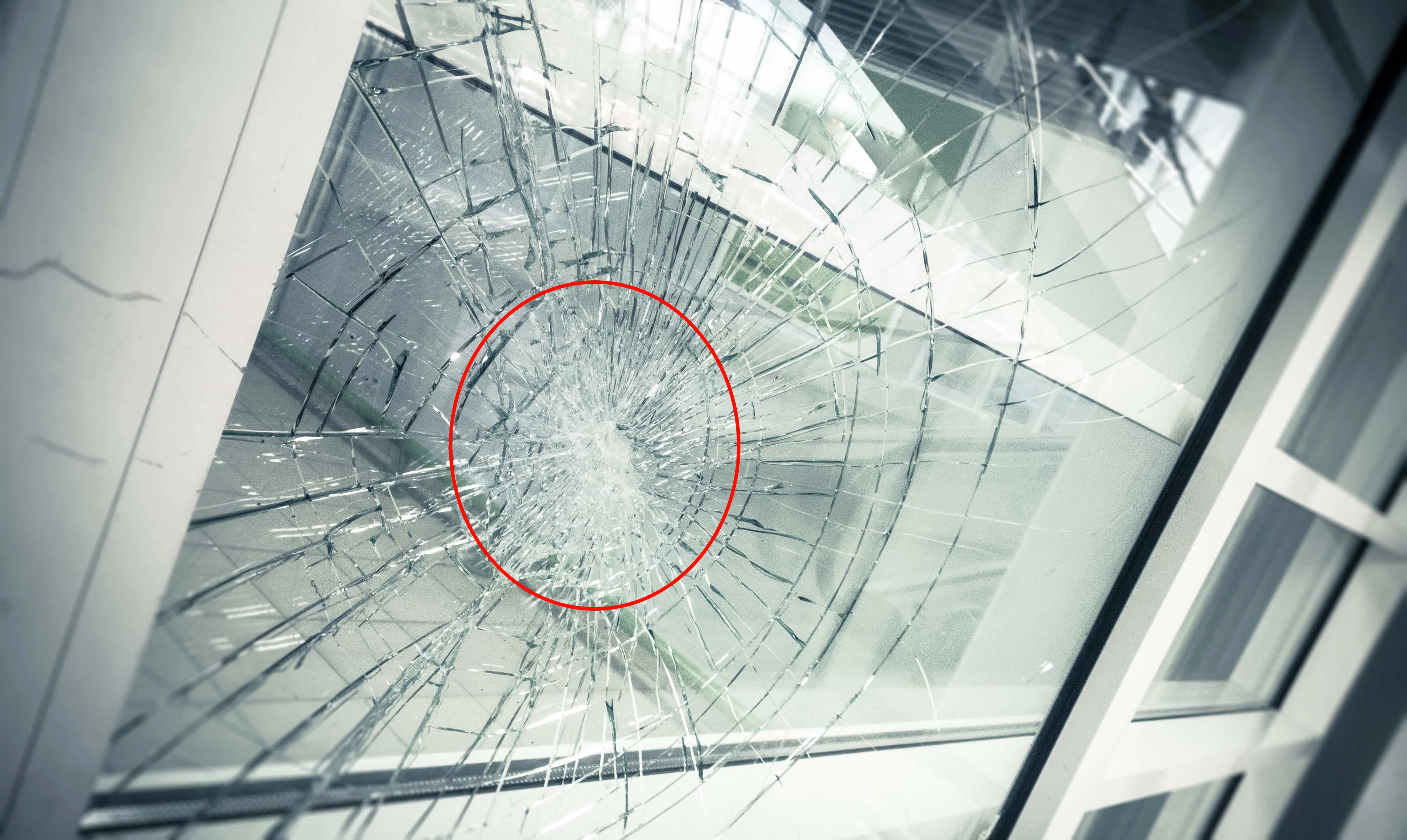

As in?How does that actually end up working out in terms of values?
I can try and see if what I said holds up when I have found time to find some examples to calculate it.If you're saying that certain IRL glass breaking feats performed by humans wouldn't be 9-C, could you calculate some to demonstrate that?

It's not going to work. The joules you get from this just seems a tad bit too much once you think about it in comparison to other things.Has this been dropped? I was very curious on the results of the thread


