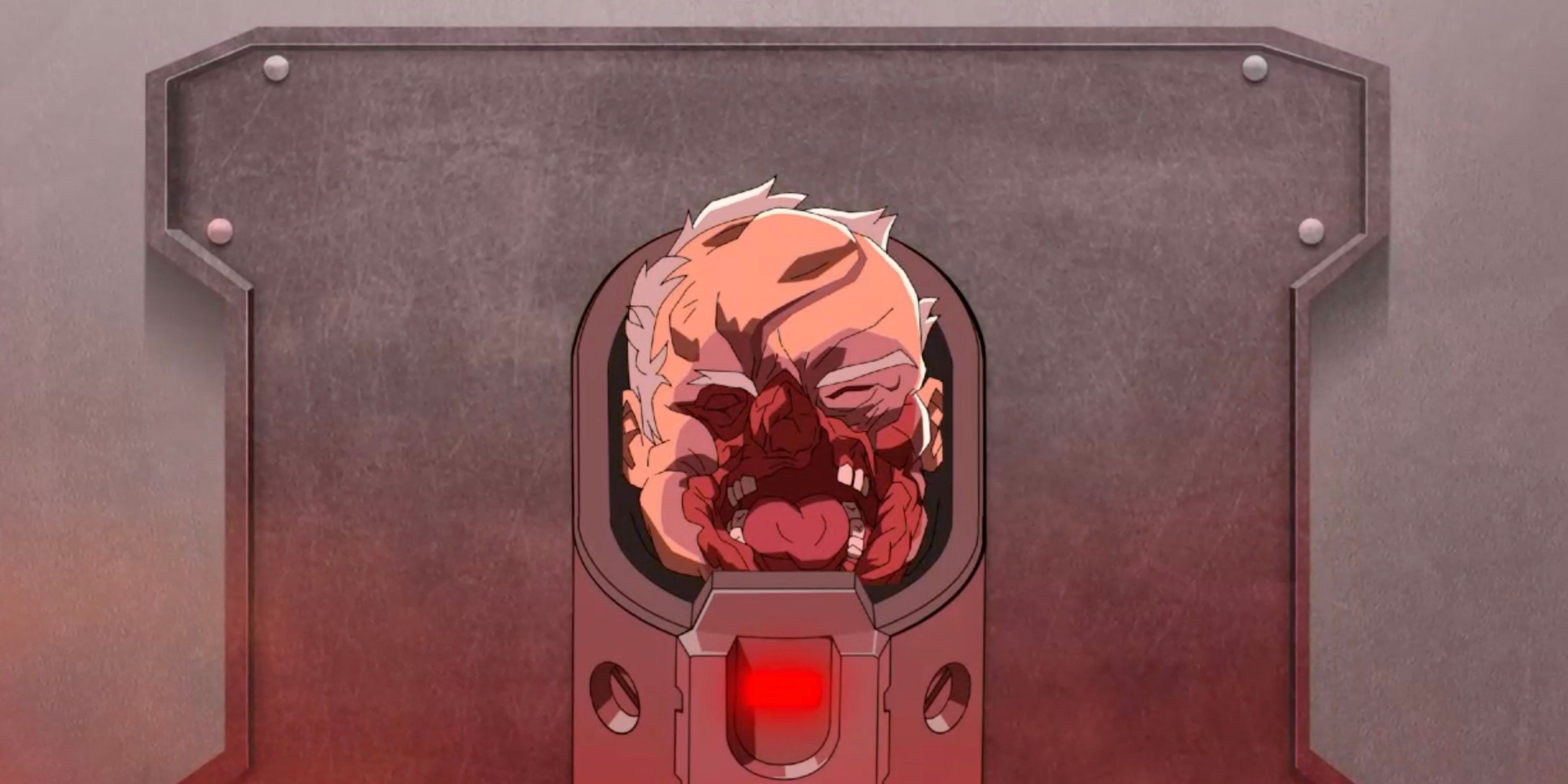
I think the entire point of Type 2 immortality is that X organ/bodily construct (that would normally be required to sustain life) is completely irrelevant to survival. Now, I know that sounds extremely obvious, but the implications of that are actually pretty complex.
What I’m trying to say is that, If the organ/bodily system is irrelevant to survival, then, practically speaking we shouldn’t see much difference between X character with or without injury to that bodily construct. Particularly, damage to that bodily construct shouldn’t put them in a near-death state.
Think about “Alive” as something of a spectrum where life and death are the 2 ends of the spectrum. In type 2 immortality, a life-sustaining bodily construct/organ shouldn’t have an effect on
where the character lies on that spectrum, because again, it’s completely irrelevant to survival.
I get this is in contrast to:
This type of immortality can have different levels of effectiveness and can be bypassed, for example, by causing extremely severe wounds or the complete destruction of the body or specific parts of it, such as the head, etc.
But it’s this part of the definition that I think should be changed. Like think about it, If type 2 is
not needing a life-sustaining system to survive, but if we have a clause that says oh actually it’s still type 2 even if they do
eventually end up dying AS LONG as it takes a higher grade of damage, then that does sound like what abstractions was saying in that it’s moreso some kind of glorified stamina feat.
That being said, I do agree with Finepoint on that other point; the “indefinitely” shit does seem like an unrealistically high standard for evidence, and I do think the wording should be altered.


 Be the change you want to see in the world.